10 March 2021

A Refugee's Story

In Mom's daily e-mail on March 10, she wrote:
I created a PowerPoint with about 10 pictures to share with my co-workers tomorrow during the Genealogy Happy Hour about my refugee's story.  It doesn't go into details of any part of my life, just major points like growing up during the Vietnam War, fleeing to USA, becoming refugee and then US citizen, getting married.

My sister liked it so much she requested that I document the pictures and captions.

This is a story of a girl who was born in Saigon, Vietnam.

And grew up during the Vietnam war.


She went to an all-girl high school where the uniform was the white Vietnamese dress.


When the war ended, her family fled to the United States and became refugees.

She was an immigrant who wore hand-me-down clothes from strangers
and sometimes talked on the phone like any typical teenager.

Her family became naturalized citizens.

This is the boy who grew up in the Pacific Northwest whom she met and fell in love with.


Although her parents preferred that she marry a Vietnamese boy,
they understood this was America, and they didn't object.

His parents, however, wanted him to marry a nice German girl since their ancestry is German
and they thought the refugee girl was beneath him.
He's from a prim and proper family whose children are all tall, blond, and blue eyed.

They got married anyway.

This is the DNA profile of one of their children.
He's not pure German after all.

09 February 2021

Valentines VI

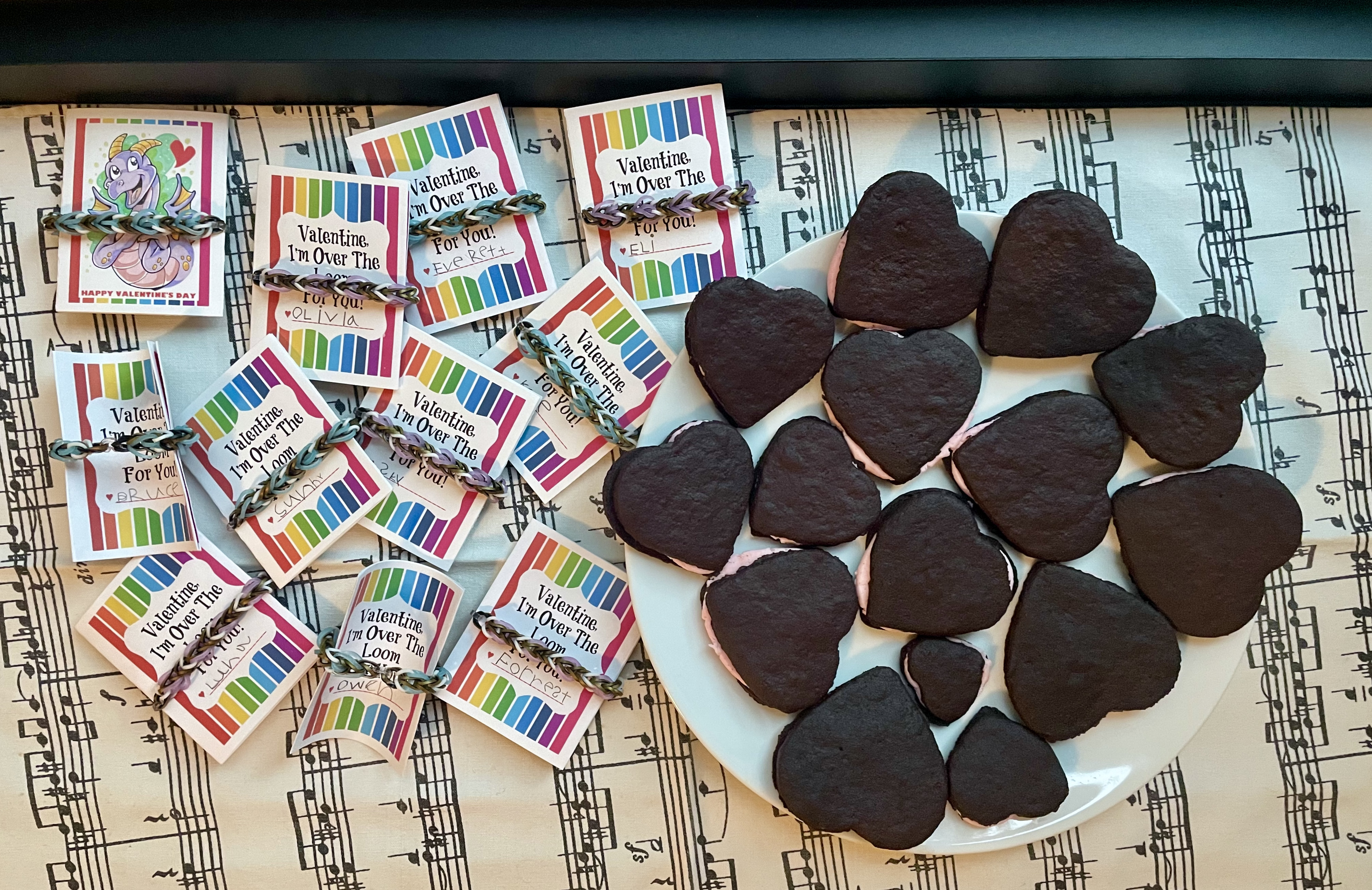
Every year, Drakeson helps make all his valentines and signs all his cards, but he really stepped up his involvement this time around. We made kaeru mini hearts rainbow loom bracelets for over 45 people, and he had a hand in every step of the way. It became a tradition to listen to the soundtrack to "Over the Moon" while looming these past couple weeks, and it was not uncommon for dance breaks to occur during "Ultraluminary." Milli was no slouch, and a handful of bracelets were prepared for her friends as well.  I hope that when we look back on these projects some day, the kids will remember sitting at the table with me, listening to music, dancing, and focusing hard with their metal hooks in their little hands.


Figment Looming Valentine's Day Cards

Color Changing Bands (Hearts Turning Green in My Hand)

Most of Drakeson's

Most of Milli's

How Many Heart Oreos Are Too many Heart Oreos?

Pastry (4/4)

All pastry doughs contain flour, water, and fat.  There are five basic types of pastry, and these are choux pastry, shortcrust pastry, flaky pastry, puff pastry, and filo pastry.

Choux pastry is in a world of its own.  Also called pâte à choux, it is made of flour, water, butter, and eggs.  This thick, sticky batter is stirred over a stovetop, which traps in steam and produces a hollow interior when baked.  Choux pastry is used to make éclairs and profiteroles.

Shortcrust is a sturdy base for tarts, quiches, or pies.  It has a finer crumb and is better able to retain liquids than flaky pastry.  Pâte brisée contains only flour, butter, salt, and cold water, and can contain up to 60% butter.  Pâte à foncer requires the addition of egg.  Pâte sucrée, or sweet shortcrust, requires both egg and sugar.  Pâte sablée is the most difficult shortcrust of all.  Butter is creamed with sugar and eggs before flour is added, and the resulting dough is minimally puffy, crumbly, and very rich.  Almond flour is sometimes added, making this dough even harder to roll out.  Pâte sablée, therefore, is often pressed into molds.
Hot water crust pastry is not considered a shortcrust, but it certainly doesn't belong in any of the other four.  This pastry is made by melting animal fat (lard) into hot water and incorporating flour.  This sturdy dough is the only pastry capable of producing hand-raised pies.

Flaky pastry, quick pastry, blitz pastry, or rough puff pastry requires pea-sized chunks of butter to be left in the dough.  It must be minimally handled, and can be used for pies, quiches, sausage rolls, and turnovers.  American pie crust is a flaky pastry.

Puff pastry, or pâte feuilletée, is made from a sheet of butter encased in a dough that is then repeatedly folded or laminated.  Both fat and air are trapped between layers of dough, creating a puff of delicate crispy layers when baked.  Because the butter cannot melt, laminated dough must be refrigerated between turns, and the process is more time consuming than rough puff.  Puff pastry is used for croissants, cream horns, mille-feuille, and wrapping meats.

Filo or phyllo dough is unleavened dough made of flour, water, and a small amount of oil rolled and stretched into impossibly thin sheets.  These sheets are then brushed with oil or butter and layered before baking.  Phyllo dough is used to make baklava, börek, or spanakopita.

I think we're finally ready to watch the Great British Bake Off.

Chocolate Croissants

Cakes (3/4)

This tutorial will move from the richest cakes to the lightest.
Let's begin by disqualifying gelatin art cakes, which were covered somewhat regrettably in "More Frostings & Fillings."  The richest cakes, flourless cakes, include baked or unbaked cheesecakes, baked flourless chocolate cakes, and unbaked mousse cakes.  Most other cakes fall into one of two main categories, which are butter cakes and foam cakes.

Butter cakes, also called shortened cakes, require baking soda or baking powder.  They use a generous amount of butter, margarine, or vegetable shortening, creamed with sugar, to create moist dense cakes.  Egg, flour, and leavening agents are then beaten in.
Foam cakes, on the other hand, do not rely on leavening agents.  Also called sponges, these are made with flour and sugar, and use air beaten into egg whites as the raising agent.  Although traditional sponge cakes are made without butter or oil, some sponge recipes call for small amounts of butter.  These types of cakes must be baked immediately before the egg whites deflate, and they require fairly tall pans due to the egg white rise.  They are often eaten without heavy frosting.

Common American butter cakes are chocolate cakes, white cakes, or yellow cakes, where yellow cakes contain more yolks than white cakes.  Devils food cakes are chocolate butter cakes made with cocoa powder and boiling water.  Red velvet cakes, which are flavored with only a moderate amount of cocoa and dyed red, and carrot cakes are butter cakes shortened with oil.
Popular British butter cakes are Victoria sponges, Madeira sponges, and pound cakes.  Victoria sponges, also known as Victoria sandwiches, are butter cakes cut in half horizontally, filled with strawberry or raspberry jam and cream, and topped with powdered sugar.  Madeira sponges contain more flour than Victoria sponges, and are therefore firmer and denser.  Pound cakes, which are denser than either, contain a pound each of butter, flour, sugar, and egg, and are traditionally baked in loaf pans.

Chiffon cakes are a hybrid of butter and sponge cakes.  They require a leavening agent and a generous amount of vegetable oil (not butter) like in shortened cakes, but the eggs are also separated and beaten, like in sponge cakes.  Yolks and sugar are beaten until creamy, then oil, flour, and baking powder are gently incorporated, and last, stiff egg whites with sugar are folded in.  Chiffon cakes are traditionally baked in circular tube pans.

Hot milk sponges, which are less popular than chiffon cakes, are among the heaviest of sponge cakes.  Requiring butter, milk, and baking powder, they use different ingredients than traditional sponge cakes, but they also don't cream butter and sugar together like butter cakes.  Whole eggs and yolks are first whipped and then folded with flour, hot milk, melted butter, and baking powder.

Nut sponges are the moistest sponges.  Because they don't dry out when exposed to air, they can be layered and unfrosted.  Yolks are whipped with sugar, ground nuts and sometimes flour are folded in, and stiff egg whites with sugar are folded in last.  The most popular nut sponge is the jaconde sponge, which is an almond sponge baked in thin flexible sheets.  Jaconde sponges can hold intricate decorations very well.  To create patterns, some of the cake batter is colored, often with cocoa powder, and then piped into a design on a silicone mat and frozen.  The remaining batter is then spread thinly over the pattern before being baked.  Jaconde sponges are also the basis of the opera cake, a layered marvel including coffee syrup, ganache, french buttercream, and chocolate glaze.

Daffodil sponges have grown out of favor, but like ermine buttercream, they are clearly worth mention.  (I am discerning; feather cakes are not.)  Daffodil sponges are marbled sponge cakes in which half of the batter is colored yellow from egg yolks, and half is not.  To make one of these cakes, begin with an egg white sponge batter like angel food cake.  Separately fold beaten egg yolks into half of the white batter, and spoon differently colored batters into a circular tube pan.

The most classic of all sponges, the génoise, is also the most difficult to make.  Génoise sponges are dry, delicate, and tender.  They don't have much flavor on their own, and are often stacked with fillings or syrups.  They slice beautifully without crumbling and are pliable enough to to be baked in a jelly roll pan.  Although all génoise sponges contain yolks, those without butter are called "fatless."  To make a génoise, whole eggs are beaten with sugar over a water bath until thick and ribbony, and the volume nearly triples during this process.  Flour is then gently folded in, sometimes with a little bit of melted butter.

Biscuit sponges, or lady fingers, are drier than génoise sponges but hold their shape even better.  They are rarely eaten plain, but used as a component in other desserts like tiramisù.  For biscuit sponges, eggs are separated and both whites and yolks are separately whipped with sugar.  Both mixtures are then gently folded together with flour.

Angel food cake is the lightest of all sponges, but it's also quite moist due to its high sugar content.  White and fluffy, it is imagined to be the food of angels.  To make angel food cake, whites are stiffly beaten with sugar, and then cream of tartar, flour, and sugar are folded in.  These are traditionally baked in circular tube pans.

In closing, it is important to address the differences between a cake, a gâteau, and a torte.  A classic American cake has one to three thick layers of butter cake filled with buttercream.  (We're the worst.)  A gâteau is a cake with many thin layers of sponge filled with mousse, ganache, or fruit fillings.  When gâteaux are made with fresh fruit, they are intended to be eaten on the same day.  A torte has even more layers of very thin filled sponges than a gateau.  Torte batters often include ground hazelnuts or almonds.  They are meant to be quite tall with at least six layers, and they are often covered in chocolate or fondant.

Between this and what we've learned about buttercreams and fillings, we should be fairly well equipped to watch the Great British Bake Off like know-it-alls.  What's that?  A pastry post request?  Oh, if you insist.

Poppyseed Cake with Peppermint Buttercream & Lemon Roses

31 January 2021

How To Frost a Layered Cake (Intermission)

There are many articles and videos on how to do this, but I like one by

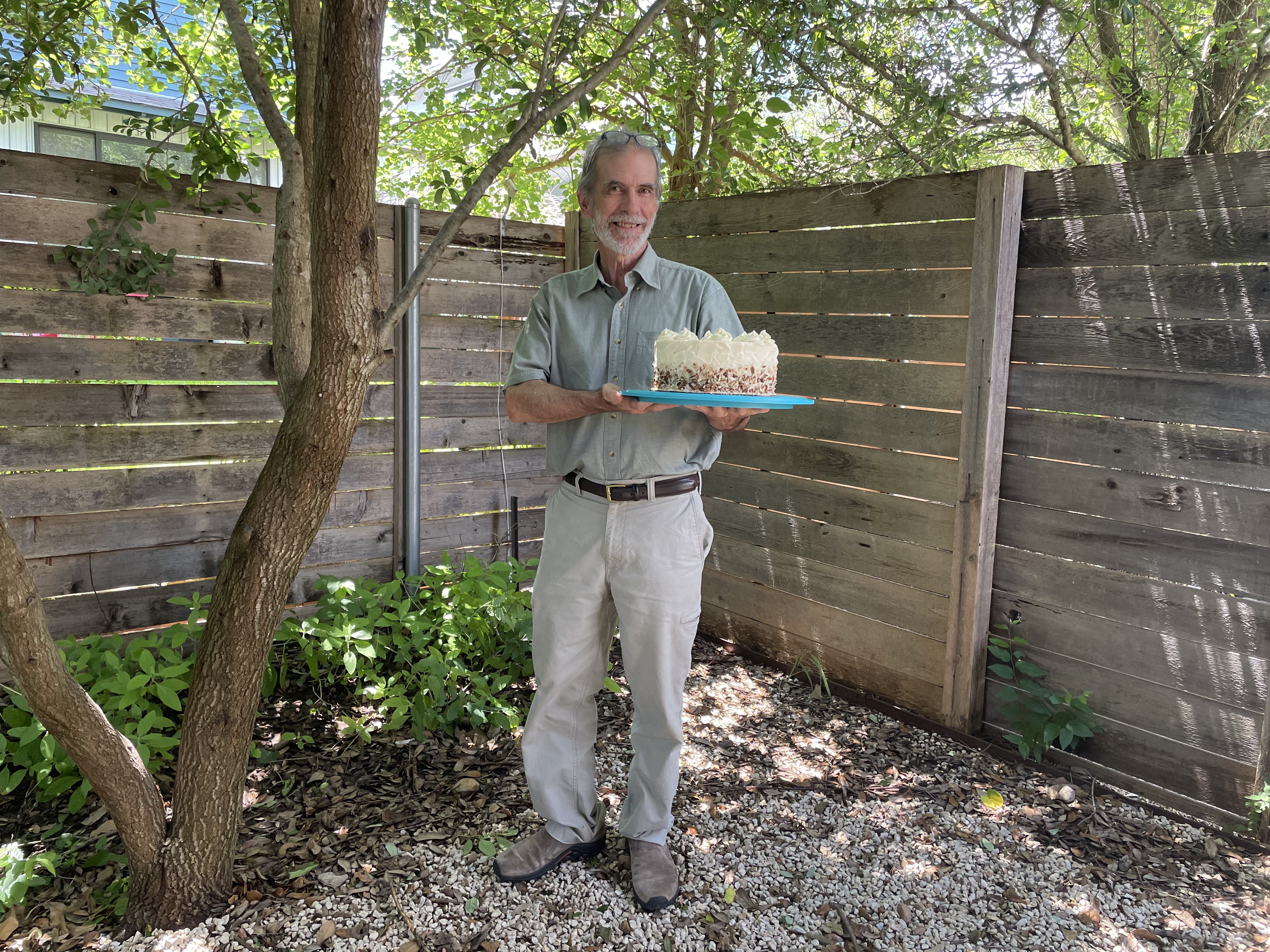
My brilliant friend and piano tuner Jack has a cake subscription with me that's coming to a close due to him moving.  I'll miss everything about him.
Jack's Last Cake for his 30th Wedding Anniversary with Barbara

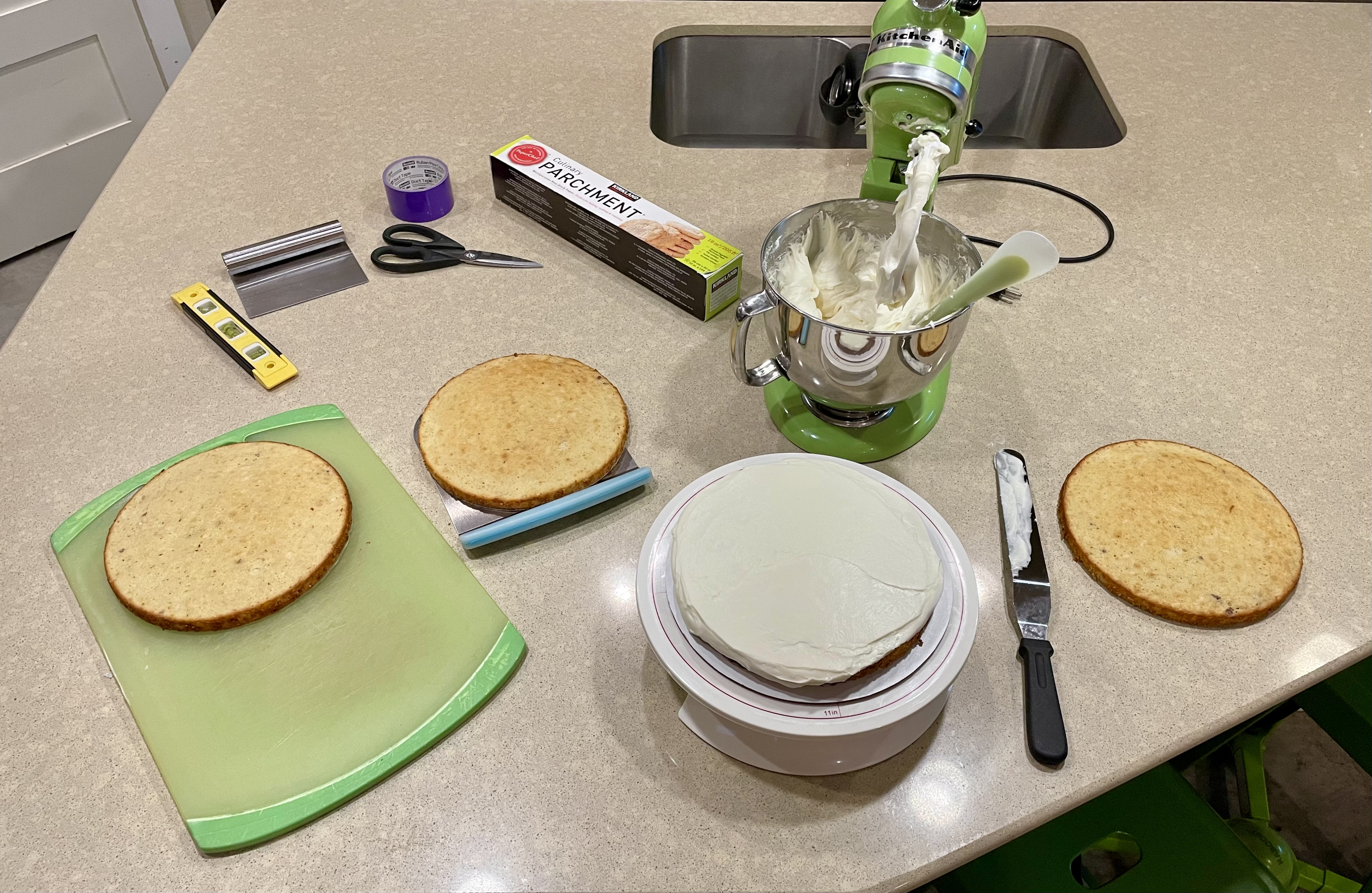
You will need:
    Cakes of the same diameter, torted and leveled as necessary
    Mounds of frosting; separate batches can be made at different times
    Filling, if different from frosting
        If filling is thinner than frosting, extra piping bag of frosting
    Cake spinner
    Cardboard cake board
    Large flat surface such as a cutting board
    Parchment Paper
    Tape
    Offset spatula
    Bench scraper
    Level

Step 1:  Adhere cardboard cake board to cake spinner with a little tape.
                Place a small amount of frosting on center of cake board.
                Center first layer of cake on board.

Step 2:  If filling with frosting or thick filling, fill and level with offset spatula.
                If using a thinner filling, pipe a perimeter dam of frosting and fill center.
                If dam is higher than filling, use offset spatula to bring dam inwards until level.

Step 3:  Reserve most level layer for final top layer.
                Align second layer, press down gently, and repeat filling step.

Step 4:  Repeat with remaining layers.
                Align top layer upside down and press down gently.

Step 5:  Using spatula and bench scraper with frosting, crumb coat sides.
                Fill holes and re-scrape as necessary, aiming for straight sides.
                Bring excess frosting on top inwards and thinly crumb coat top.
                If frosting doesn't harden, simply finish frosting as best you can, and decorate cake.
                    In this case, you are finished!
                Otherwise, place in the refrigerator 60 mins or until somewhat hardened.

Step 6:  Adhere parchment to flat board with tape and remove cake from refrigerator.

Step 7:  Generously frost top of cake, allowing frosting to hang over sides.

Step 8:  Place parchment board on top of cake parchment side down.
                Level in two perpendicular directions, gently pressing down on board as needed.
                Flip cake upside down.
                Transfer cake spinner from top of cake to underneath cake.
                Double check level if desired.

Step 9:  Using spatula and bench scraper, frost sides.
                Fill holes and re-scrape as necessary, aiming for straight sides.
                (ScrumtiousCakesByFairy fills in entire diameter of cardboard cake board.)
                (Keep side layer minimal if sides will later be decorated with piped frosting.)

Step 10:  Remove cake from cake spinner and transfer board and cake to refrigerator.
                Let set this way, upside down, 3 hours or until as firm as possible.
                Remove from refrigerator and flip right side up.
                Remove top board from parchment.
                Very gently peel off parchment from several directions working inwards.

Step 11:  If necessary, smooth top of cake with offset spatula.

Step 12:  Finish decorating any way you wish.

Italian Cream Cake with Cream Cheese Frosting

Spin That Cake!

23 January 2021

More Frostings & Fillings (2/4)

 I forced my sister and mom to read my buttercream post, and they used what attention they could muster to tell me that they don't like any of the six buttercreams.  They're too buttery.  So basically, they begged me to write this sequel.  And it's a good thing they did, because the internet is a bit of a mess on this topic.  So much so, that I have to be a narrator now.  No more single sources to cite.  No more succinct recipes line after line.  No - this mess, started by Mom and Tins, requires serious guidance.

To start untangling what's what, we'll begin with the fact that fluffy thick toppings are frostings and thin glossy toppings are icings.  Most of the internet doesn't seem to bother with this distinction, but that doesn't make it any less true.  Most cakes, cupcakes, and even cookie cakes typically use frostings, whereas most donuts, Danishes, cinnamon rolls, and bundt cakes use icings.

Before proceeding, I'd like to clarify that the abridged recipes in this post, like last time, leave out the finishing touches of vanilla extract or salt.  And speaking of my buttercream post, it's important to know that Ermine Buttercream or Flour Buttercream can also be called Roux Frosting, Cooked Frosting, or Boiled Milk Frosting.
But Boiled Milk Frosting is not to be confused with Boiled Frosting!  Even worse, Boiled Frosting is the same thing as Italian Meringue.  And while we're on the subject, Seven Minute Frosting happens to be Swiss Meringue.  And speaking of Swiss or Italian Meringue, either can be called Marshmallow Frosting.  So let's take a step back and talk about meringues, which are also called Foam Frostings.  All three meringues can be torched, but French Meringue will deflate quickly if not dried out in the oven.  French Meringue is not without its merits, and after it's baked, it's more of a filling than a frosting.  It has just barely made it into this post.

    1.  Meringues
a)  Swiss Meringue/Seven Minute Frosting/Marshmallow Frosting
        Melt sugar into egg whites, remove from heat, and beat.
        Sometimes, Seven Minute Frosting recipes recommend beating over heat.
b)  Italian Meringue/Boiled Frosting/Marshmallow Frosting
        Slowly pour a hot sugar and water syrup into soft peaked whites and continue beating.
c)  French Meringue
        Beat whites until frothy, slowly add sugar, and continue beating.
        A Daquoise is a baked French Meringue with finely chopped almonds and hazelnuts.

While the titles Swiss or Italian Meringue will always be current, the titles Seven-Minute Frosting and Boiled Frosting are considered somewhat last generation.  If you look up an "old fashioned frosting" or "vintage frosting" or "grandma's frosting," you'll probably get Swiss Meringue, Italian Meringue, or Ermine Buttercream.  Speaking of Ermine Buttercream, the newer "lighter buttercream" kid on the block is Cream Cheese Frosting, which is just a twist on American Buttercream.

    2.  American Buttercream Variations
a)  Cream Cheese Frosting
        Beat butter, beat in cream cheese, and beat in powdered sugar.
b)  Sour Cream Frosting
        Beat butter, beat in sour cream, and beat in powdered sugar.
c)  Decorator's Buttercream
        Replace some or all butter with shortening for a very stiff frosting.
        Stiff frosting is great for piped decorations like roses.

All frostings are fillings, but some fillings aren't frostings, as we saw with French Meringue.
The only filling that cuts sweetness with acid is curd, the most popular of which is lemon.  Lime and passionfruit are close at its heels.
Alternatively, cakes can be filled with jams, jellies, or marmalades.  A jelly is a jam that replaces fruit with fruit juice, and a marmalade is a jam made with whole citrus fruits, including the rind.
While curds and jams are good fillers because they're thick, cakes are sometimes served with thinner fruit sauces.
A fruit purée is a thick liquid of cooked and blended fruits, a coulis is a thicker sauce made from a purée, and a compote is a sugar syrup boiled with mashed fruit.  Some cakes are also filled or topped with chutney, which is a fruit relish often containing vegetables, vinegar, sugar, spices and herbs.  In reality, cake chutney omits vinegar and spices, so it's just a chunky jam.
Like lemon is a favorite for curd, orange is a favorite for marmalade, raspberry is a favorite for coulis, and mango is a favorite for chutney.

    3.  Fruit Fillings
a)  Lemon Curd
        In a water bath, whisk together yolks, sugar, lemon juice, lemon zest, and butter.
b)  Lemon Curd Frosting
        Add lemon curd to Crème Chantilly, American Buttercream, or Cream Cheese Buttercream.
c)  Jam
        Heat fruit, sugar, and lemon juice or pectin until thick.
d)  Fruit Frostings
        Jams or other condensed fruit purées can be added in moderation to buttercreams.

Curds or jams are sometimes paired with cream fillings like custards, mousses, or cream, which are usually flavored with vanilla, chocolate, fruit, candy, coffee, tea, or spices.  (Because curds, jams, custards, and mousses don't normally hold their shape without gelatin, an outer rim of frosting can be piped as a barrier to help keep everything in place between layers.)
    
    4.  Cream Fillings
a)  Crème Pâtissière/Pastry Cream/Custard
        Whisk together sugar and egg yolks, gradually add hot milk, and heat until thickened.
        Many recipes finish with butter and thicken with flour or corn starch.
b)  Mousse
        Mousses are anything aerated by folding in beaten egg whites or whipped cream.
        When molded to form an entire cake, mousses are set with gelatin.
c)  Crème Chantilly
        Whip cream and add powdered sugar.
        Crème Chantilly must be refrigerated!
d)  Crème Chantilly Frosting
        Chantilly can be stabilized with mascarpone, meringue powder, corn starch, or gelatin.

I feel guilty writing about Crème Pâtissière without its sister Crème Anglaise, which is thinner and can be poured over the top of a cake or used as a base for ice cream, mousse, or crème brûlée.  But now that you know about Crème Pâtissière, Crème Chantilly, and Crème Anglaise, there's more.

    5.  More Cream Fillings
a)  Crème Diplomat/Crème Legere
        Fold together Crème Pâtissière and Crème Chantilly.
        These are often set with gelatin.
b)  Crème Chiboust
        Fold together Crème Pâtissière and meringue.
c)  Crème Mousseline/German Buttercream
        Fold together Crème Pâtissière and whipped butter.

Less relevant to cakes but worth a tangent are Bavarian Cream and Crémeux.  Bavarian Cream or Crème Bavaroise is a dessert all on its own, and it's nothing more than a Crème Anglaise folded with Crème Chantilly and set with gelatin.  Crémeux, on the other hand, is thicker than mousse and denser than pudding; it's a thickened Crème Anglaise with whipped butter or gelatin.  And speaking of gelatin, I don't like it.  Gelatin is a protein boiled out of skin, tendons, ligaments, and/or bones.  Does that sound like dessert to you?  There are two more gelatin-related concepts I'll cover which have very little to do with each other, and these are Gelatin Art Cakes and Piping Gel.  Gelatin Art Cakes are cakes that are either entirely made of gelatin or other types of cake topped or surrounded by gelatin.  They lend themselves to very beautiful designs, which is different than being appetizing.
Piping Gel is a decorative icing with a transparent and glass or water like effect, which is also used as clear glue to attach decorations to cakes or cookies.  Piping gel is made with corn syrup, water, and gelatin or corn starch, and it does not fully harden.  Grocery store birthday cakes often letter in piping gel.

    6.  Gelatin
a)  Gelatin Art Cakes
        Bloom gelatin in water, add to heated water, sugar, and citric acid, and cool.
        Colored injectable gelatin is made with the addition of milk and food colorings.
b)  Piping Gel
        Bloom gelatin in water, and heat with corn syrup.
c)  Gelatin Free Piping Gel
        Heat water and corn starch together, and add corn syrup or sugar.  
        Many recipes add lemon juice.

We've talked to the butter lovers and the marshmallow lovers and the fruit lovers and the cream lovers and even the gelatin lovers.  But what about the chocolate lovers?
Ganache is my best friend.  Ganache should be everyone's best friend.  Ganache is the most versatile, simple, and delicious frosting, filling, or glaze.  It makes every chocolate lover's dream come true.  I love Ganache as much as I hate Rolled Fondant.  I love Ganache so much that I'll honor it with ratios; Ganache is one to one and a half parts good quality chocolate to one part whipping cream, and I usually add a splash of dark rum to mine.

    7.  Ganache
a)  Ganache
        Heat heavy whipping cream, pour over chopped chocolate, let sit, and stir.
b)  Whipped Ganache
        Whip cooled ganache.
c)  Ganache Glaze
        Ganache thinned with heat, cream, butter, or corn syrup.

While we're on the topic of chocolate, we'll do Candy Frostings.  Nobody else calls Fudge or Caramel Frostings Candy Frostings, so don't throw that around at a cocktail party like you're in the know.

    8.  Candy Frostings
a)  Fudge Frosting
        Melt butter and cocoa powder or chocolate together.
        Beat in powdered sugar and a bit of milk.
b)  Caramel Frosting
        Melt butter, brown sugar, and milk together.
        Beat in powdered sugar and a bit of milk.

I'm stalling on the fondants, so we'll tackle Marzipan next.
Marzipan can be shaped or rolled like Rolled Fondant, but unlike Rolled Fondant, it's not revolting.  Because it's quite sturdy, it can be used to sculpt decorations or rolled thin to fill or cover a cake.

    9.  Marzipan/Almond Paste
        In a food processor, combine almond flour, powdered sugar, and almond extract.
        May recipes add rosewater.
        Add egg white or water to bind and knead.

And now the time has come.  Rolled Fondant is a gross play dough that's all the rage, and Poured Fondant, which is not gross, is a glaze (an icing at last!) that hardens.
If you like Rolled Fondant because you like sculpting, you could also look into Modeling Paste, which is also called Pastillage, Modeling Chocolate, or Gum Paste.  While these get an honorable mention, they don't deserve abbreviated recipes, for they are not the point of this post.  I'm only including Rolled Fondant because everybody loves seeing cakes blanketed in the stuff; it's unappetizing enough that even Rolled Fondant lovers wouldn't think to fill a cake with it.

    10.  Fondant
a)  Rolled Fondant
        Heat water and gelatin.
        Add glucose and glycerin, and just before melted, add shortening.
        Combine with powdered sugar.
b)  Poured Fondant
        Heat water and corn syrup.
        Add powdered sugar.

Now that we've finally transitioned to the icings, we'll start with Royal Icing, the pain in my ass that I can't stop making.  It gives you all of the artistic freedom in the world when faced with a sugar cookie canvas, and it's famous for setting very hard, and gingerbread houses would fall apart without it.

    11.  Royal Icing
        Beat egg whites or meringue powder and water, then beat in powdered sugar.

Glazes are icings that are smooth and shiny.  The king of glazes when it comes to cake decorating is the Mirror Glaze.  In every cooking show I've ever seen, Mirror Glaze strikes a body as being absolutely problematic and unnatural at best.  I hate it.  It is poured over frosted cakes and magnifies each imperfection with a glaring, ghastly shine.  And when it's dull, it's even uglier.  Often clumpy, never appetizing.  It pools drips of shiny gelatin around the base of what used to be a perfectly acceptable cake.  Oh, I might have forgotten to mention that like Rolled Fondant, it's also all the rage.  It's "so cool."

    12.  Glazes
a)  Glaze
        Combine powdered sugar with a bit of liquid.
        Usually, this is milk, cream, melted butter, or citrus juice and zest.
b)  Mirror Glaze
        Combine water and gelatin.
        Separately, heat sugar and water to form a syrup.
        Combine gelatin, syrup, white chocolate and sweetened condensed milk.
        Save your cake and throw the mirror glaze down the drain where it belongs.

There you have it.  Now you should be able to dream up fillings and frostings from an arsenal of buttercreams, meringues, fruits fillings, chocolate fillings, and creams.  If your takeaway from this post is that you can't wait to make your first Gelatin Art Cake, then you really weren't my target audience, but thanks for sticking it out.  It takes all kinds to make a world.

Rocky Road Cupcakes with Vanilla Bean & Pink Salt Mascarpone Whipped Cream

20 January 2021

The Six Buttercreams (1/4)

 There are times that I realize I don't keep my buttercreams straight.   If you, too, are suddenly confronted by your lack of confidence in your knowledge of buttercreams, then this will prove a very fast and easy read.  I love seriouseats, so I used their article to write this guide.

6 Notes
All buttercreams harden in the fridge and should be served at room temperature.
All buttercreams are flavored with extracts and a little finely ground salt.
American & Ermine use no eggs, Swiss & Italian use whites, and German & French use yolks.
American, Ermine, & German beat butter first, and Swiss, Italian, & French beat it in second.
Ermine, Swiss Meringue, and Italian Meringue are emulsions.
American and Swiss Meringue are the most popular.

6 Buttercreams
1.  American Buttercream
Easiest, sweetest, only process with no heat required, least heat resistant.
    Beat butter.
    Beat in powdered sugar and a splash of milk.

2.  Flour/Ermine Buttercream
Least sweet, airy, second easiest.
    Beat butter.
    Still beating, slowly add cooled pudding made of milk, sugar, and flour.

3.  German Buttercream
Yellow, soft and light, not very heat resistant.
    Beat butter.
    Still beating, slowly add cooled crème pâtissière.
        (custard made of milk, sugar, egg yolks, and corn starch).

4.  Swiss Meringue Buttercream
Most heat resistant, only process that pasteurizes eggs.
    Make a Swiss meringue.
        (dissolve sugar into egg whites over heat, remove from heat, beat).
    Still beating, slowly beat in pieces of cool, softened butter.

5.  Italian Meringue Buttercream
Most stable and firmest.
    Make an Italian meringue.
        (beat hot syrup into beating egg whites).
    Still beating, slowly add pieces of cool, softened butter.

6.  French Buttercream
Yellow, rich and custardy, not very heat resistant.
    Make a pâte à bombe.
        (beat hot syrup into beating egg yolks).
    Still beating, slowly add pieces of cool, softened butter.

Figment Lemon Poppyseed Cupcakes with Swiss Meringue

18 January 2021

How To Make The Sky King Paper Airplane

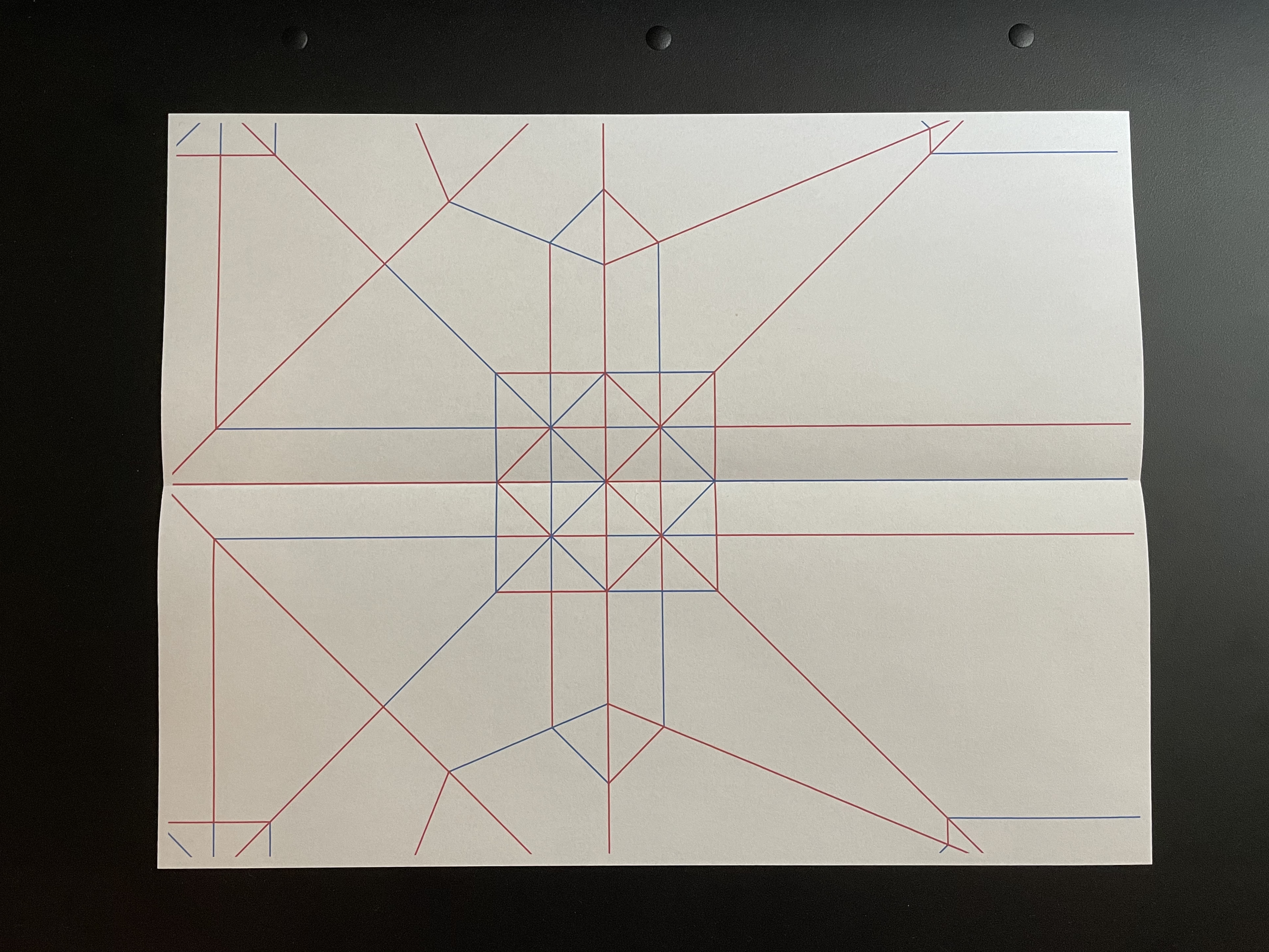
The Sky King paper airplane was designed by Takuo Toda, and beat the 2009 world record for paper airplane flight time at 27.9 seconds.  What I love about it is the lock on the nose, which is seriously too cool for school.  You'll need a standard 8.5 by 11" piece of paper, and if you don't want to eyeball a couple of measurements, a ruler with centimeters.  Google sites has a beautiful page that includes pdfs and videos of several paper airplanes; here's their pdf and video for this version of the Sky King.  This tutorial uses the printed pdf.

Step 1:  Fold in half lengthwise.

Step 2:  Fold corners down.

Step 3:  Leaving 2.5 cm at the bottom, fold point downwards.

Step 4:  Fold corners down again.

Step 5:  Unfold corners and fold sides into these creases.

Step 6:  Refold step 4 corners.

Step 7:  Fold point upwards to point where edges meet.

Step 8:  Unfold tip and flip plane over.

Step 9:  Fold in half.

Step 10:  Fold tip up to meet step 7 crease.

Step 11:  Open tip to form a front square.

Step 12:  Flatten square.

Step 13:  Unflatten square and fold top layer down.

Step 14:  Reflatten square.

Step 15:  Fold wings along center square seam, parallel to bottom edge.

Step 16:  Fold parallel winglets upwards, 1.75 cm in height.

As is customary, curve back edge of each wing upwards for optimum flight.
If the nose is pointing away from you, flex the edge of paper facing you into a lowercase "m."

Happy flying!